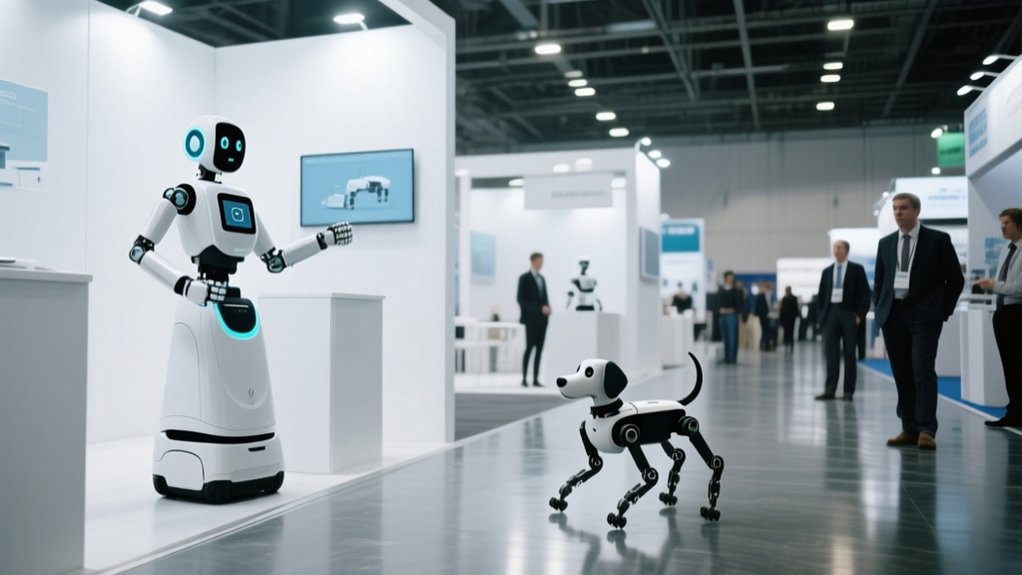
Let’s be honest — humanoid robots stop traffic at trade shows while robot dogs get a few head turns and awws. We recommend humanoids if you actually want people walking to your booth, not just smiling and moving on. Yes, they need about 1.5 meters of space and start at $950/month, but they shake hands, talk back, and look like the future. Robot dogs are cute and take less space, but they don’t build serious tech credibility. Want to know which one matches your industry?
Does a Humanoid Robot Stop More Attendees in Their Tracks?
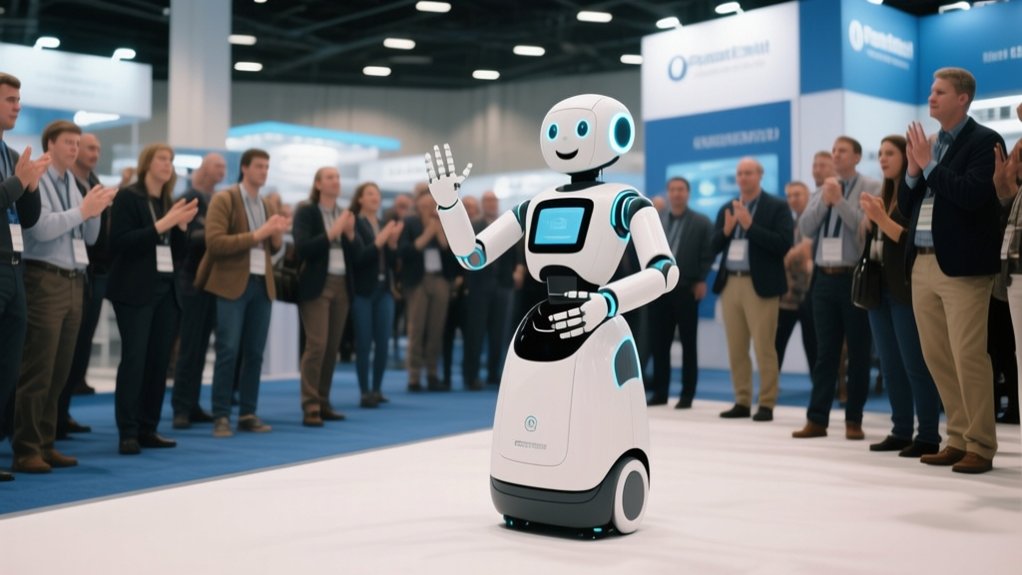
Will a humanoid robot make people stop and stare at your booth, or will it just blend into the noise of a hundred other displays?
Here’s what we think: the humanoid grabs attention like nothing else.
There’s something primal about seeing a machine that looks back at you. It triggers our instinct to engage with something that mirrors us. That built-in attention grabbing power means better attendee engagement — people literally walk across the aisle to get a closer look.
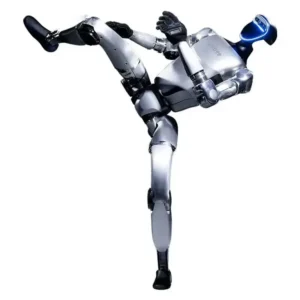
Unitree G1
A premium humanoid robot for serious demos, events, education, and advanced interaction. Best when you want a stronger,…
A robot dog? It’s cute, sure. Kids love it. But it doesn’t stop you in your tracks the same way.
The humanoid becomes a natural icebreaker.
Plus, insured rentals reduce financial risk, so you won’t worry about unexpected damages at your event.
We get it if you’re skeptical — they feel like a gimmick. But when done right, they’re not. They create memorable moments that stick long after the booth lights go dark.
Space Requirements: Humanoid Robot vs Robot Dog at Your Booth
Let’s talk about something nobody thinks about until the floor plan shows up: how much room these things actually eat up.
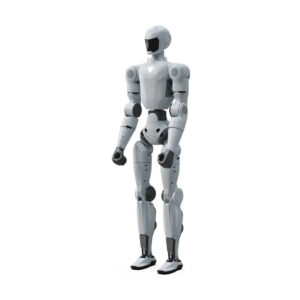
Unitree R1
A lighter, more accessible humanoid robot for content, activations, education, and public-facing demos. Best when you want strong…
Humanoids stand about 170 cm tall and need a clear circle of roughly 1.5 meters around them so they don’ accidentally clip a visitor. That’s a big slice of your booth, especially if you already have a demo table, a swag wall, and a coffee bar fighting for space. Robot dogs are the size of a backpack and can perch on a corner or a shelf, moving in under a square meter. That gives us better space efficiency and keeps the booth layout flexible.
In short, a humanoid forces you to plan around its reach, while a robot dog lets you rearrange on the fly. The rental price starts at $950 per month, and the rental includes free delivery in over 65 countries.
How Do Attendees Interact With Each Robot Type?
We’re often found reaching for the humanoid like a new coworker—skeptical yet fascinated—shaking its hand, tapping its chest—while the robot dog gets the toddler treatment, as we crouch to pat its metal fur and feel it wiggle in response. When we talk, the humanoid offers clear, scripted replies that sound almost too polite, but the robot dog only barks or chirps, so we’ll end up shouting jokes at it just to see if it’ll react. The Unitree G1 stands approximately 4 feet 2 inches tall, making it eye-level with most adult attendees, while the Unitree Go2 fits in the back of a car for easy transport to any venue.
Physical Interaction
Here’s the thing about robots at trade shows — nobody actually reads the specs on the display cards. We ignore the display cards.
You walk up, wave, and wait for a response. The humanoid robot uses gesture recognition to spot a wave, a point, or a nod, then copies the move with its arms or head. When you touch its forearm, tactile feedback delivers a faint buzz, letting you know the machine feels the contact.
The robot dog invites pats on its head or back; built-in pressure sensors make it purr or wiggle, and a simple hand wave can send it spinning.
Both robots still feel alive, but the humanoid offers richer gesture options, while the dog gives a simpler, truly pet-like touch experience.
Verbal Interaction
Words hit different at a trade show booth. We watch attendees walk up to a humanoid robot and just start talking — like it’s another person at the mixer. The robot listens, responds, cracks a joke about traffic. That’s conversational AI doing its thing.
Interactive engagement feels natural when the robot actually talks back. Now the robot dog? It’s cute, sure. It barks. It does tricks. But ask it a question and you get silence or a pre-programmed sound.
We get it — there’s something charming about a robot that doesn’t pretend to be human. But at a trade show where we’re trying to make connections and get info, seriously, the humanoid wins the verbal round.
What’s the Real Cost of Renting a Robot for a Trade Show?
So what’s the real damage to your budget when you rent a robot for a trade show? Here’s the thing nobody tells you upfront: the rental price tag looks simple, but hidden costs sneak in like uninvited guests.
Transporting a robot is like moving a fragile, expensive pet—specialized crates, climate control, and insurance add up fast. Setup and calibration require technicians who bill by the hour, and they’ll likely need to stick around during your event.
Rental duration matters more than you think. A three-day show might seem pricey, but some vendors charge flat weekly rates that actually save you money.
Bottom line: get every fee in writing before you sign, or that “affordable” robot becomes a budget nightmare.
Which Robot Matches Different Trade Show Industries?
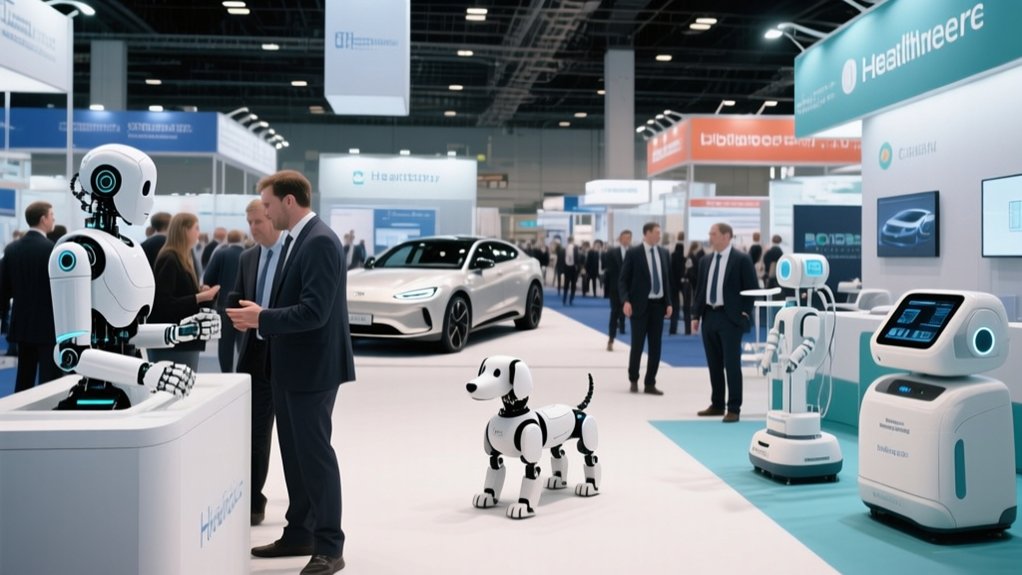
We look at automotive trade robots, the flashy machines that roll onto the show floor and let you explore car tech without needing the actual keys, and we’re still not sure if they really steal the show.
Then we turn to retail demo robots, they’re the friendly bots that hand out samples, answer product questions, and sometimes seem a bit too enthusiastic to please.
Automotive Trade Robots
When car companies want to show off, they don’t just roll out the new models — they roll out the robots too. At a trade exhibition, automotive automation takes the spotlight: autonomous guides, interactive demo arms, and even patrol bots that prowl the booth. We use them to turn a static display into a moving pitch. The table below shows three popular automotive trade robots, what they do, and why they steal the crowd.
| Robot Type | Primary Function | Trade Show Impact |
|---|---|---|
| Guide Bot | Answer visitor FAQs | High foot traffic, instant engagement |
| Demo Arm | Simulate assembly | Shows engineering expertise |
| Patrol Dog | Booth security | Cool factor, crowd gathering |
We love them because they steal attention, spark conversation, and prove the future of driving is already here today.
Retail Demo Robots
Car booths aren’t the only ones playing with robots. Retail brands want that flash, so demo bots become the quirky hosts that grab eyes.
Picture a compact humanoid offering samples while a pivoting arm lifts a shoe for a fast try‑on—those robot features turn a dull booth into a live showcase. We notice the biggest jump in attendee engagement when the bot can answer on the fly, guide a shopper to a discount, or toss a dry quip about the product. It learns from every chat.
In electronics, a tabletop bot running quick demos keeps the line moving; in cosmetics, a touch‑sensitive arm that dabs testers feels almost too irresistible.
The trick? Pick a bot that fits the vibe, not just a novelty flash.
Movement and Performance: Which Creates Better Demos?
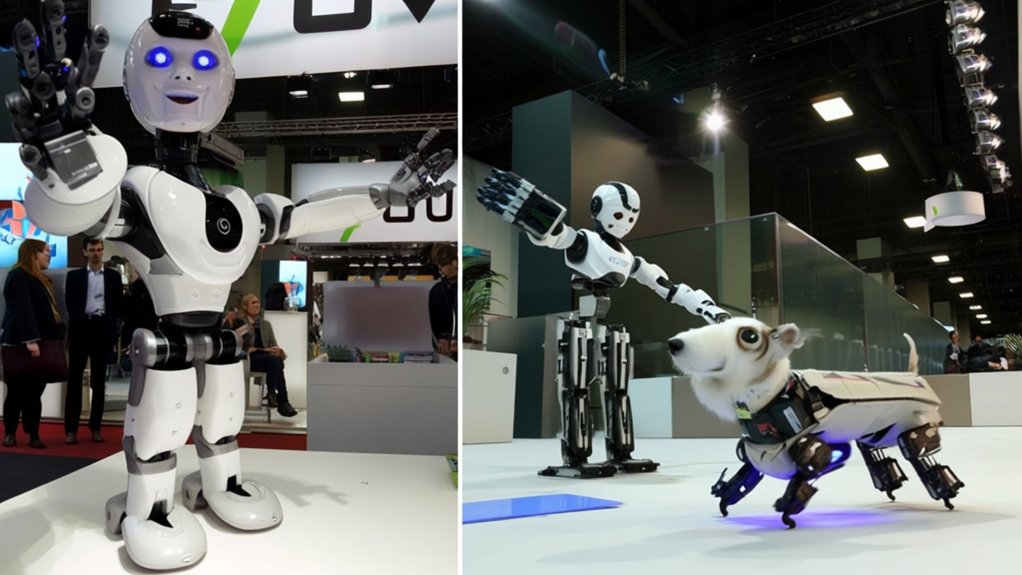
Skeptics will tell you it’s all about specs — battery life, processing power, the usual robot wrestling match. We really ignore the specs for a moment and ask: does the robot move like it actually belongs on a show floor?
The robot dog zips, spins, and does backflips, showing robot agility. Its low center of gravity lets it duck under booths to grab attention. It feels like a stunt performer, boosting demo engagement.
The humanoid walks, gestures, and holds eye contact. Its slower stride feels like a greeter, not a showstopper. It lifts an arm to wave, and the crowd stops.
For us, it depends on what you want: a quick, zippy buzz or a slower hook. We still pick whichever makes audience lean in.
Maintenance and Reliability: Which Robot Causes Less Hassle?
How about we talk about what happens after the demo ends and the booth lights go dark? This is where robot maintenance enters the chat, and honestly, it’s not pretty for either option.
Humanoids need regular tune-ups—think of them as temperamental musicians who constantly need recalibrating. One joint seizes up and your futuristic show becomes a very expensive statue.
Robot dogs are simpler beasts. Fewer moving parts means fewer things that can go wrong.
But let’s be real: reliability concerns plague both. We want machines that work when we need them, not machines that need us to work on them.
Which one puts less stress on your sanity? That’s the real question.
Making the Final Choice: Humanoid or Robot Dog for Your Event?
If you’ve made it this far, you’re probably wondering which robot actually deserves your budget. Here’s the honest answer: it depends on what vibe you’re going for.
| Factor | Humanoid Robot | Robot Dog |
|---|---|---|
| Audience Engagement | High — faces hook people instantly | Medium — novelty wears thin |
| Robot Aesthetics | Sleek, futuristic, professional | Cute, approachable, playful |
Weighing your options requires honest self-reflection. The humanoid brings that “wow, this company is advanced” factor. The robot dog delivers “aww, look at that” moments. Both work. Your event goals decide. Want serious tech cred? Go humanoid. Want friendly buzz? try the dog. We can’t tell you which to pick — but we can tell you to stop overthinking it and pick the one that matches your brand’s personality.
The Bottom Line
In the end, the best choice doesn’t have to break the bank. With robot rental services from FutuRobots, the leading robot rental specialist, you can access advanced humanoid robots without the massive upfront investment of a purchase. Whether you need a walking, talking humanoid or a playful robot dog, robot rental lets you bring the future to your trade show booth today—without the financial risk. Rent a robot for your next event and give attendees the experience they’re looking for: something that makes them stop, stare, and ask, “What’s next?” FutuRobots offers flexible humanoid robot rental and monthly robot access plans that eliminate expensive purchase commitments while delivering cutting‑edge technology right now.
Explore the robot families that fit this use case.
Unitree G1
A premium humanoid robot for serious demos, events, education, and advanced interaction. Best when you want a stronger,…
Unitree R1
A lighter, more accessible humanoid robot for content, activations, education, and public-facing demos. Best when you want strong…
Browse the robots, compare the models, and reserve the right one without buying.
Use Futurobots to move faster, stay flexible, and get access to advanced robots without buying.

Futurobots Team
Futurobots covers robot rental, buying decisions, event use cases, education use cases, and practical ways to use advanced robots without ownership risk.