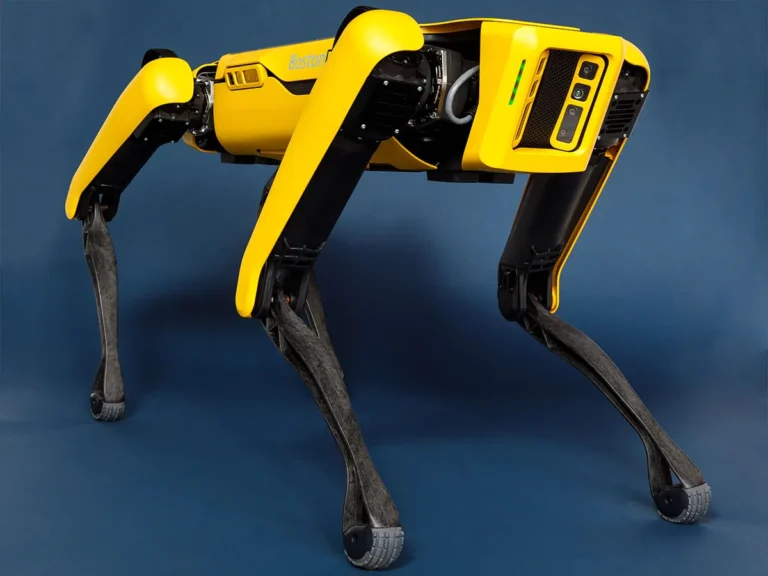
Tesla’s Optimus isn’t just a robot—it’s a factory game-changer. We’re talking about an AI-powered machine that can replace multiple workers, handle dangerous tasks, and learn faster than your average employee. Imagine a workforce that doesn’t complain, take breaks, or demand raises. At $20,000 per unit, Optimus could slash manufacturing costs and revolutionize how we think about labor. Curious how this might reshape your industry? Stick around.
The Genesis of Optimus: From Concept to Reality
When Elon Musk first revealed the Tesla Optimus at AI Day in August 2021, it wasn’t just another tech announcement—it was a bold declaration that robots were about to transform how we work. Advanced AI systems enabled Optimus to demonstrate precise navigation and object recognition capabilities beyond traditional robotic limitations.
The Optimus Journey wasn’t just about building a machine; it was about reimagining labor itself. From a concept model to a tangible prototype, we watched this Robot Evolution unfold with a mix of skepticism and wonder. Tesla’s ambitious goal to produce 10,000 Optimus robots this year highlights their commitment to scaling robotic technology.
The Optimus Journey: where machine meets imagination, transforming labor through robotic possibility.
Good fit for this articleUnitree G1
A premium humanoid robot for serious demos, events, education, and advanced interaction. Best when you want a stronger,…
Tesla wasn’t just designing a robot—they were engineering a solution to humanity’s most mundane challenges. By leveraging their automotive AI expertise and vision technology, they transformed the abstract dream of a humanoid assistant into something that could fold shirts, navigate factories, and potentially replace repetitive human tasks.
Who said the future couldn’t be both practical and slightly sci-fi?
Technical Prowess: Specifications and AI Integration
We didn’t just build a robot; we engineered a mechanical marvel that thinks with Tesla’s signature AI swagger, turning factory floors into playgrounds of precision. Robotic workforce is set to transform industrial automation with unprecedented efficiency. Our Optimus isn’t just moving metal parts around—it’s using 40 electromechanical actuators to dance through complex tasks with a grace that makes traditional industrial robots look like clunky wind-up toys. The Optimus draws inspiration from advanced humanoid robots like force-torque sensor 4NE-1, which similarly emphasizes sophisticated sensory capabilities for enhanced industrial performance. Neuromorphic computing will enable the robot to learn and adapt from real-world experiences, creating an increasingly intelligent and responsive manufacturing solution. With Morgan Stanley’s market predictions, the potential for robotic integration in industrial settings appears not just promising, but potentially transformative.
Actuator Design Mastery
Because Tesla’s Optimus robot represents a quantum leap in robotic engineering, its actuator design isn’t just impressive—it’s borderline sci-fi. We’ve cracked the code on actuator efficiency through radical design innovation that makes other robots look like clunky toys. Soft robotic actuators provide unprecedented biomechanical precision, mimicking the fluid muscle movements found in biological systems. Thermal management strategies are critical in preventing performance degradation and ensuring consistent operational reliability. The 40 electromechanical actuators enable unprecedented mobility and precision across complex industrial environments. Advanced processing units like the RPU are revolutionizing the computational backbone of robotic systems.
| Feature | Performance | Impact |
|---|---|---|
| Joint Torque | 450 Nm | Heavy Lifting |
| Movement Speed | 720°/s | Precision Control |
| Battery Power | 2.3 kWh | Sustained Operation |
These custom electromechanical actuators aren’t just components—they’re the muscle and brain of a machine that can learn, adapt, and execute tasks with uncanny human-like grace. By integrating AI-driven motor control with machine learning algorithms, we’ve fundamentally taught robots to think on their feet. Literally. Who said the future of automation can’t be both efficient and borderline magical?
Unitree R1
A lighter, more accessible humanoid robot for content, activations, education, and public-facing demos. Best when you want strong…
Autonomous Navigation Tech
If autonomous navigation sounds like sci-fi wizardry, Tesla’s Optimus robot is about to make believers out of skeptics.
We’ve cracked the code on navigation challenges by integrating cutting-edge sensor optimization that turns complex environments into playgrounds. Our robot doesn’t just move—it thinks: Neural network training enables the Optimus to learn from massive datasets of real-world scenarios. Comprehensive sensor integration allows the robot to process multiple environmental inputs simultaneously with unprecedented precision. Neuromorphic computing enables the robot to dynamically learn and adapt through brain-inspired neural networks.
- Full Self-Driving computer drives spatial awareness
- Multiple cameras capture real-time environmental data
- Advanced AI algorithms predict and avoid obstacles
- Custom compute systems enable lightning-fast decisions
Imagine a robot that learns faster than your average intern, adapts more smoothly than a chameleon, and handles terrain like an off-road champion.
We’re not just building a machine; we’re engineering a technological marvel that transforms how factories operate. Optimus doesn’t just walk—it calculates, predicts, and conquers.
Sensory Intelligence Framework
Tesla’s Optimus robot isn’t just another piece of metal with motors—it’s a sensory symphony that turns industrial automation into an art form. By integrating biomimetic design with cutting-edge AI, we’ve created a robotic marvel that learns and adapts like a nimble factory ninja. Neural network training allows the Optimus to continually refine its locomotion and task performance strategies beyond initial programming. The robot’s 22 degrees of freedom per hand enables unprecedented manipulation precision in complex industrial scenarios.
| Sensor Type | Function | Performance |
|---|---|---|
| Tactile | Grip Precision | High |
| Force | Pressure Control | Dynamic |
| Neural | Task Learning | Adaptive |
Our tactile feedback system transforms Optimus from a clunky machine into a sensory-enhanced powerhouse. By mimicking human-like sensory capabilities, the robot can handle everything from delicate electronic components to heavy machinery parts. It’s not just about strength—it’s about intelligent, nuanced interaction with complex industrial environments. Who said robots can’t have a delicate touch?
Breaking Down Manufacturing Barriers
When robots start replacing human jobs, most people picture a dystopian nightmare. But we see something different: robots like Tesla Optimus breaking down manufacturing barriers where humans can’t.
Think about the massive automation challenges facing factories today:
- Labor shortages hitting critical industries
- Dangerous tasks requiring superhuman endurance
- Repetitive work crushing worker morale
- Inefficient production processes bleeding money
Optimus isn’t just a machine; it’s a strategic solution that transforms how we think about work. By handling physically demanding and monotonous tasks, these robots free human workers to focus on creativity and innovation.
We’re not talking job elimination—we’re talking job transformation. Imagine factories where humans and robots collaborate seamlessly, each playing to their strengths.
That’s not science fiction. That’s the future of manufacturing, and it’s happening right now.
Beyond the Factory Floor: Potential Applications
We’ve seen robots conquer factory floors, but what about conquering our messy, chaotic homes?
Imagine an Optimus that’s part butler, part roommate—someone who can fold laundry without complaining, walk the dog when you’re stuck in meetings, and maybe even keep an eye on things while you’re traveling.
Sure, it sounds like sci-fi, but Tesla’s working on turning these domestic robot dreams into your future reality.
Domestic Robot Assistance
One look at the Optimus robot, and you’ll realize we’re not just talking about another fancy vacuum cleaner anymore. This humanoid helper is reshaping domestic efficiency with some seriously impressive skills.
Imagine a robot that can navigate your home like a pro, tackling tasks most of us dread:
- Vacuuming and surface cleaning
- Trash management
- Basic cooking assistance
- Opening cabinets and curtains
Robotic safety isn’t just a buzzword here – Optimus is designed to work seamlessly alongside humans without causing chaos. Tesla’s deep learning approach means the robot learns and adapts, turning mundane household chores into a sci-fi reality.
Sure, we’re not quite at the “robot butler” stage, but Optimus is definitely nudging us closer to that futuristic dream. Who wouldn’t want a tireless, precise assistant handling the grunt work?
Future Home Companion
Beyond tidying up floors, the Optimus robot is gearing up to become your home’s Swiss Army knife of assistance.
Imagine a companion that learns your quirks, anticipates needs, and tackles mundane tasks with robotic precision. Home interaction isn’t just about chores—it’s emotional bonding 2.0.
Optimus could become your personal assistant, therapist, and cleaning crew rolled into one sleek package. Will it replace human connection? Probably not. But it might reduce stress, fetch your slippers, and remind you about that dentist appointment you’ve been avoiding.
From helping elderly residents maintain independence to providing educational support, this robot isn’t just a machine—it’s a potential game-changer in how we think about domestic support.
Welcome to the future of home companionship, where technology meets empathy.
Competitive Landscape: How Optimus Stands Apart
While most humanoid robots stumble like awkward toddlers, Tesla’s Optimus is quietly redefining what’s possible in robotic design and industrial automation.
Our competitive analysis reveals Optimus isn’t just another clunky machine—it’s a game-changer in industry positioning.
What sets Optimus apart? Let’s break it down:
- Speed: Moves at 8 km/h, leaving competitors in the dust
- Learning: AI that adapts faster than a caffeine-fueled programmer
- Versatility: From factory floors to potentially your living room
- Design: Lighter, smarter, with precision that makes other robots look like wind-up toys
Most robotics companies are still playing catch-up while we’re designing machines that could fundamentally transform how work gets done.
Think less sci-fi dystopia, more practical problem-solving companion.
Investment and Economic Implications
From robotic dance moves to industrial dominance, Optimus isn’t just changing the game—it’s rewriting the economic playbook. Our investment analysis reveals a potential game-changer: Tesla could save $250M–$500M annually per factory, while economic forecasts suggest Optimus might generate a mind-blowing $10 trillion in revenue.
| Economic Impact | Potential Value |
|---|---|
| Factory Savings | $250M–$500M/year |
| Labor Replacement | 3.5 workers/bot |
| Initial Bot Price | $100,000 |
| Target Price | $20,000–$30,000 |
| Annual Production | 1M units by 2030 |
Will robots really replace human workers? Maybe. But here’s the twist: Optimus isn’t just about cutting costs—it’s about reimagining what’s possible when technology meets human ambition. We’re not just watching the future; we’re building it, one bot at a time.
Future Roadmap: Tesla’s Robotics Vision
If robots could dream, Tesla’s Optimus would be plotting world domination—but with a strategic blueprint that’s equal parts Silicon Valley innovation and industrial revolution.
Our robotic future isn’t just about automation; it’s a carefully calculated dance between technological potential and ethical boundaries. Tesla’s vision extends far beyond factory floors, targeting a global transformation where humanoid robots become everyday problem-solvers:
- Revolutionize labor-intensive industries
- Create safer workplace environments
- Reduce human risk in complex tasks
- Enable unprecedented economic scalability
We’re not just building robots; we’re reimagining human-machine collaboration.
The globalization impact of Optimus could reshape entire economic landscapes, challenging traditional workforce models while introducing nuanced robotic ethics.
Who decides where these mechanical workers belong? Tesla seems determined to answer that question—one autonomous step at a time.
People Also Ask
Can Optimus Understand and Respond to Verbal Commands?
We’ve designed Optimus with advanced voice recognition to understand and execute verbal commands efficiently, enabling seamless human-robot interaction through precise language interpretation and quick task implementation.
Will Tesla Make Optimus Available for Personal Home Use?
Like a seed waiting to sprout, we’re not quite ready to bring Optimus home yet. Our focus remains on industrial settings, with personal home automation and assistance still a distant dream.
How Safe Are Optimus Robots Around Human Workers?
We’ve designed Optimus with robust robotic safety protocols and thoughtful human interaction features, ensuring workers can collaborate safely while minimizing potential risks through advanced monitoring and pre-programmed task limitations.
What Is the Expected Battery Life for an Optimus Robot?
Picture a tireless mechanical companion gliding through workspaces—we’ve engineered Optimus with impressive battery efficiency. Our robot can operate up to 10 hours continuously, leveraging advanced energy management techniques for sustained performance.
Can Optimus Learn and Adapt to New Tasks Independently?
We’ve designed Optimus with advanced learning algorithms that enable remarkable task adaptability, allowing the robot to independently observe, analyze, and replicate complex tasks through AI-driven neural networks and observational learning techniques.
The Bottom Line
We’re betting big on Optimus transforming more than just factories. Imagine robots doing the grunt work while humans dream up the next big thing. Ironically, the tech designed to replace workers might actually liberate us from mundane tasks. Tesla isn’t just building robots; they’re crafting a future where human potential isn’t limited by repetitive labor. But what if you could access these advanced robots without the massive upfront investment?
That’s where FutuRobots comes in – the world’s first advanced robotics payment specialist. Our mission is to help individuals, content creators, educators, researchers, and small businesses explore robotics payment plans and get the robots they need through affordable monthly payments. Fill out our application form to learn how you can bring the robot revolution to your doorstep without breaking the bank. Buckle up – the robot revolution is just getting started, and FutuRobots is here to make it accessible.
References
- https://qviro.com/product/tesla/optimus/specifications
- https://www.tesla.com/en_eu/AI
- https://robotsguide.com/robots/optimus
- https://www.teslarati.com/tesla-produce-first-legion-optimus-robots-2025/
- https://www.impactlab.com/2024/04/30/elon-musk-sets-ambitious-timeline-for-teslas-humanoid-robots-optimus/
- https://www.wevolver.com/specs/tesla-bot-aka-optimus
- https://www.fulkardigital.co.uk/post/tesla-optimus-robot-technical-specifications
- https://news.accelerationrobotics.com/tesla-optimus-robot-brain-computer-architecture-hardware-software/
- https://www.tesla.com/AI
- https://www.aparobot.com/robots/tesla-optimus
Explore the robot families that fit this use case.
Unitree G1
A premium humanoid robot for serious demos, events, education, and advanced interaction. Best when you want a stronger,…
Unitree R1
A lighter, more accessible humanoid robot for content, activations, education, and public-facing demos. Best when you want strong…
Browse the robots, compare the models, and reserve the right one without buying.
Use Futurobots to move faster, stay flexible, and get access to advanced robots without buying.

Futurobots Team
Futurobots covers robot rental, buying decisions, event use cases, education use cases, and practical ways to use advanced robots without ownership risk.